Studio+ Creative Futures Electives selection 2025

10 Oct 2025
-
30 Jan 2026
CFAD+001
Term 1
ECTS Points
5 ECTS
Term 1
5 ECTS
Studio+ students are required to earn 60 credits (30 per term) in the course of the academic year.
Fine Art and Design student who have not chosen ERASMUS, Visual Culture or internship/self-arranged placements in T1 will need a 5-credit CFA Studio+ elective to earn 30 credits in combination with other chosen modules (Field, D8, Design Bureau, VideoLab, etc).
You are now asked to select your Studio+ Creative Futures elective option for Trimester 1 by filling out a form at the bottom of this page.
You will find start times, start dates and all useful details in the descriptions below.
Morning at NCAD
Fragmented Narratives
Creative Hospitality
Anthropo -SEA
Urban Transformation
Afternoon at NCAD
Creative Entrepreneurship
Circular by Design
Creative Diversity
Digital Making
UCD
Cinema Creatives
Creativity
Techniques of Songwriting
Delivered by: Beth O Halloran
Location: Nicola Gordon Bowe seminar room, NCAD
Time: 10:00 – 1:00
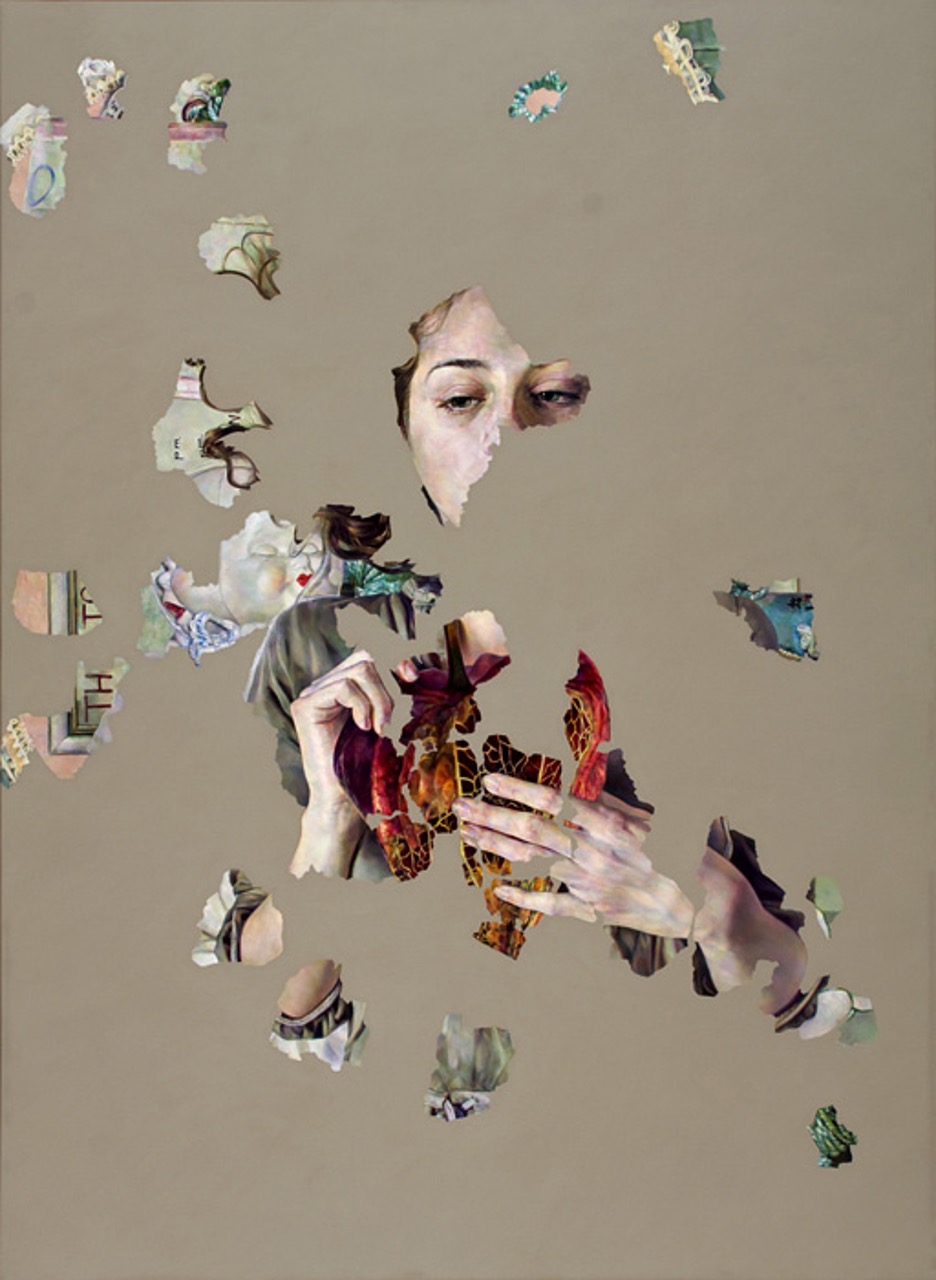
In this elective, students will examine the implications of technological assimilation of text and strategies of adapting language to reflect contemporary cultural landscapes with its inherent emphasis on speed and brevity. The course will look to methods of utilizing fragmented narratives appropriated from literary sources as a format. Content will include an exploration of Ekphrasticism – the interchange between the visual and written. Topics will include discussion of album and book covers, the relevance of memes, emojis, blended-form short stories, advertising logos, fragments of scientific text etc. A new formatting of artist’s or designer’s statements and pivotal texts which reflect a visual medium will be central to the course.
Delivered by: Saoirse Higgins
Location: 207 Education Building, NCAD
Time: 10:00 – 1:00
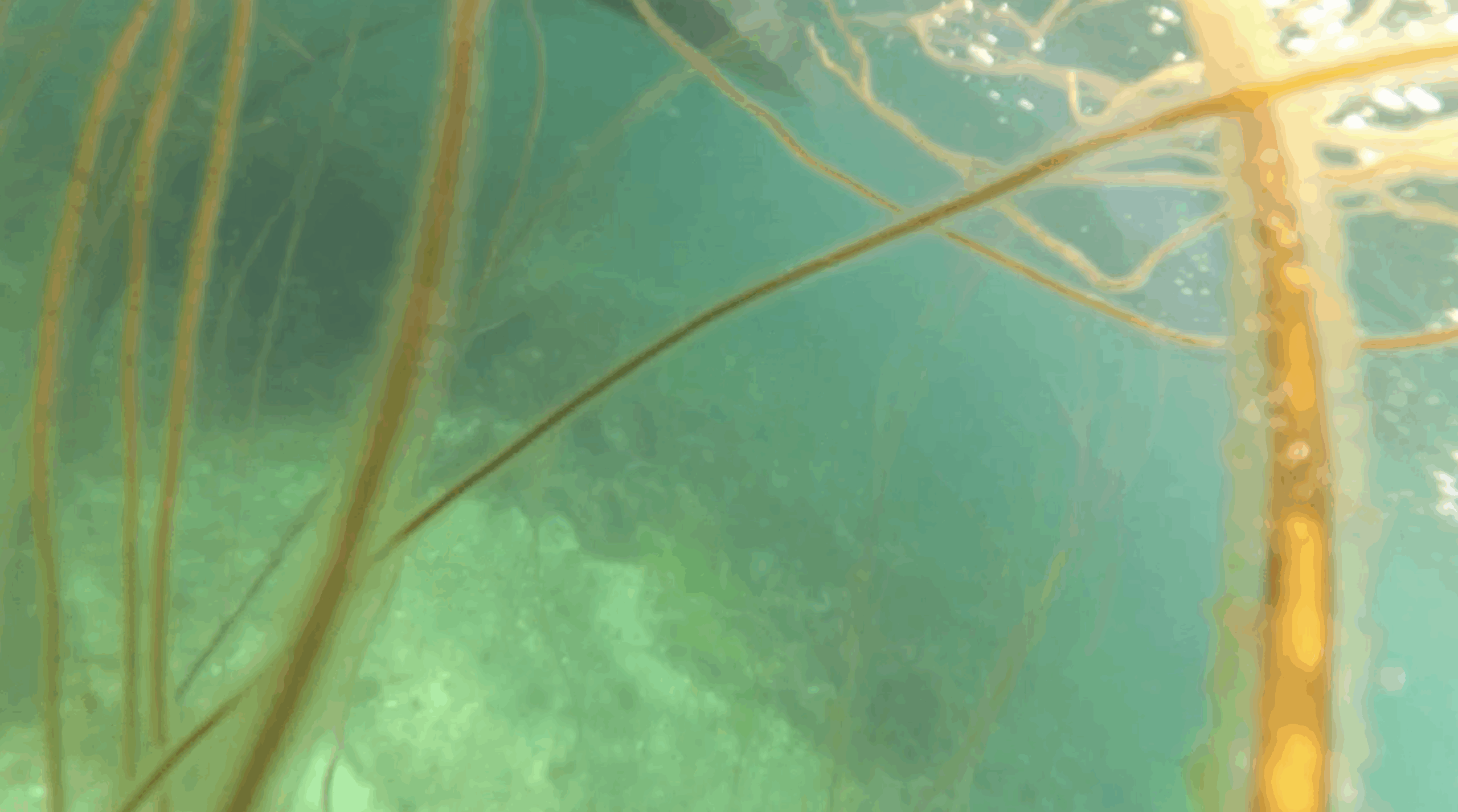
In this elective students will create individual and collective creative tools that connect with our surrounding seas. They will be introduced to and creatively reflect on: the Anthropocene, micro/macro scales of time, island coastal edges, participatory and adversarial art and design practices that explore the issues, current policy and connections to our sea looking from our collective ‘line of sight’ as islanders. Along with individual creative activities, we will work on active strategies of community collaboration to produce a ‘map’ that benchmarks the present day real time situation in relation to rising seas and poses questions for the future. This will actively and practically contribute to Fair Seas on-going campaign to protect our seas for the next generation.
Delivered by: Tracy Staunton
Location: 2.02 Grace Gifford House, NCAD
Time: 10:00 – 1:00
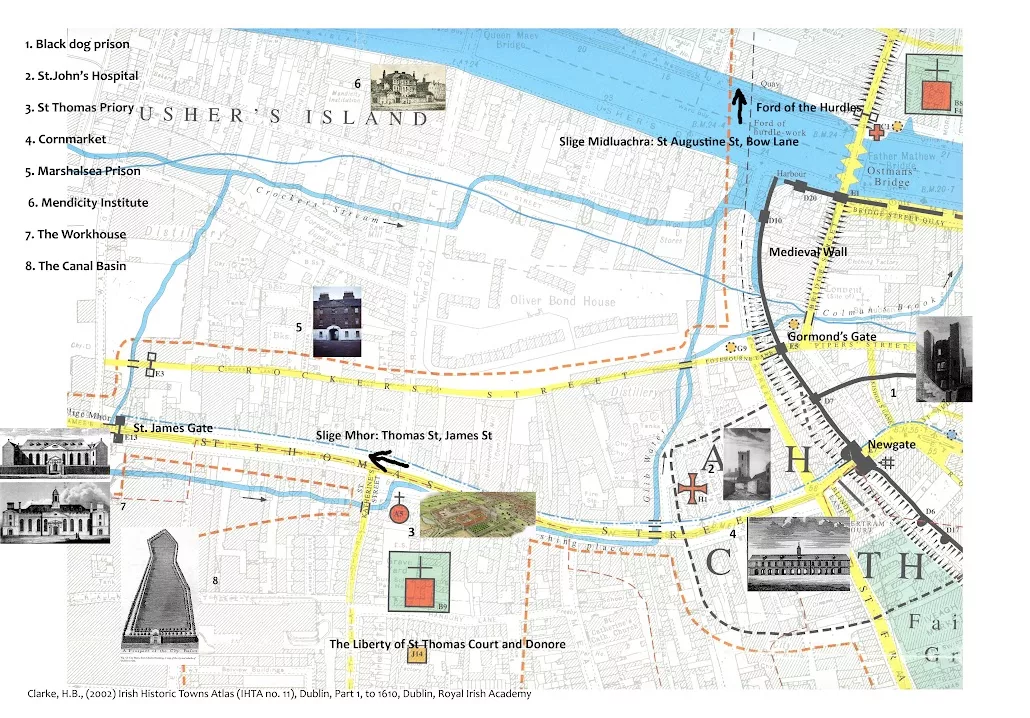
This elective project is sited in the area around NCAD, Thomas Street Dublin 8. Students will be asked to make an intervention in this area of the City to create ‘lungs’, or ‘spaces to breathe’ into the urban fabric. The space to breathe may be seen as a disruption to or change in the city fabric, and students are free to interpret this as they see fit. The breathing space constitutes a break in space and/or time. It may be a design for a green/other space in which to literally breathe, or it may be a performance or time-constrained piece which allows the city to pause, to be disrupted or to question.
Delivered by: Marie Brennan
Location: Online and 1.02 Grace Gifford House, NCAD
Time 2:00 – 4:30
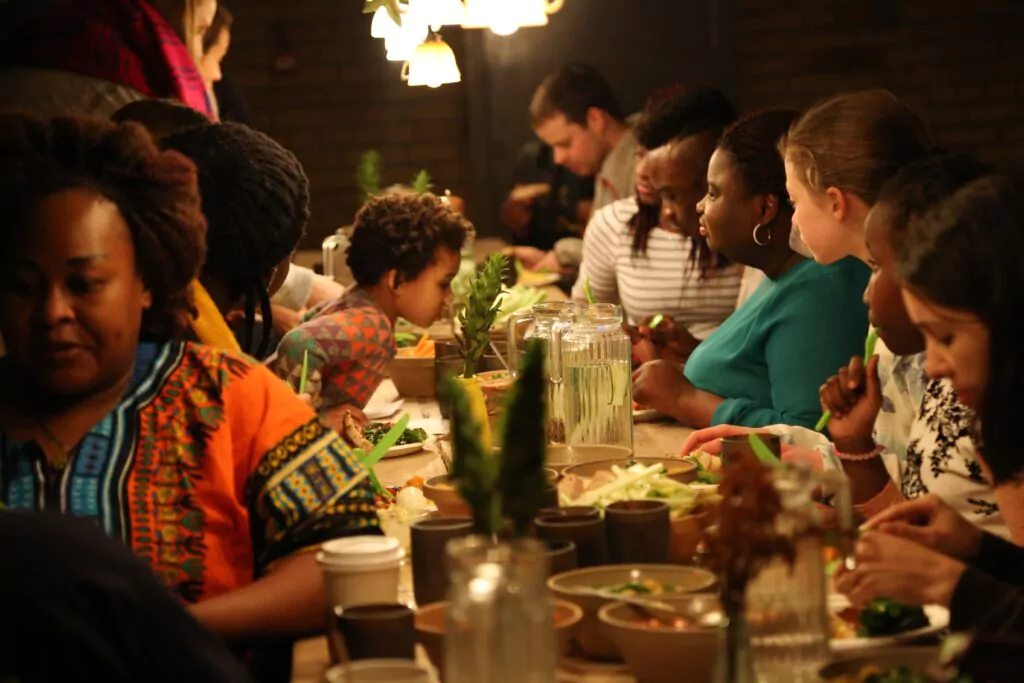
If you’re looking to establish yourself as an artist, media producer or designer now or in the future, and are looking to create your own products/portfolio in order to sell your work, then this Module could be perfect for you.
The Module will be very focused on developing the tools and mindsets that will be helpful when transforming a creative practice into an enterprise. We work on the basics such as defining creative enterprise and building business marketing and sales plans while building your confidence and business pitching skills. This module will include a series of conversations and field trips to engage with successful entrepreneurs.
Delivered by: Jess Hayden
Location: Grace Gifford House, NCAD
Time: 2:00 – 4:30
How Might I Reimagine My Practice through Circular Principles?
The current modus operandi of creative industries is a linear one, largely following a ‘take-make-use-waste’ model. It is crucial that we as artists & designers radically reimagine our practices to be more circular, whereby work is made sustainably, used longer and then re-used or recycled at end-of-use. This Circular by Design (CbD) elective will equip students with the knowledge base and practical, adaptable skills required to apply circular principles & strategies to their design and art production and processes.

Delivered by: DesignOpp, Greg Osborne, Mic Chikanda
Location: 2.02, Grace Gifford House NCAD
Time: 2:00 – 4:30
This course looks to equip learners with an awareness of the issues surrounding designing diversity and equality, such as the need to decolonise the discipline, while also providing the tools, methods and platforms to enact personal change.
Art and Design have far-reaching capacities for generating shared language and connecting people and communities. Today we see those forms resonate more than ever before in the multilingual, culturally heterogeneous, digitally interconnected spaces around the globe.
Students will gain an understanding of race, racism and stereotyping and how it manifested in graphic design.
Students will look at decolonising art; what it means and also steps needed to create change.
The course aims to foster a culture of inclusion that welcomes difference, promotes agency and facilitates shared voices, within an expansive spectrum of creative cultures, practices, and competencies.
Delivered by: John Beattie
Location: Walsh Workshop, Grace Gifford House NCAD
Time: 2pm – 5pm
Through a series of practice-based workshops and lectures, you will have the opportunity to individually and collectively find new possibilities for digital applications.A wide range digital techniques will be explored that draw on the inherent qualities of the making process to support contemporary creative practice. the module is designed as a series of digital-making activities.
Delivered by Grainne Humphreys
Location: UCD
Time: 9am-10am
Cinema Creatives: An Introduction to the Cinema Landscape in Ireland
Over 12 weeks, this course will provide an immersive dive into contemporary Irish cinema culture and introductions to key creative forces within film production, while also exploring the areas such as exhibition and distribution and explore how our national cinema is shaped by film criticism and media. The course will be structured around a weekly interview with a noted film practitioner, accompanied by a related screening. The course will outline the diverse backgrounds, routes, training and influences of key creatives and outline the structure of filmmaking teams and their role in contemporary Irish cinema. The curation and programming of film is a vital element of cinema exhibition and this course will offer students the opportunity to learn about key aspects of film programming, engage with industry experts and design their own film event. Students will be encouraged to submit and ask questions of guests.
Delivered by: Professor P.J. Mathews
Location: UCD
Time: 10am-12pm
The aim of this course is to focus on the processes of creativity and creative collaboration across the three subject areas of English, Drama and Film. Students will engage with a number of case studies that will introduce them to the dynamics of creative production in the broad context of the creative industries. Students will benefit from engagement with a number of distinguished UCD Creative Fellows who will make guest contributions during the term. In terms of assessment, students will be required to produce original creative outputs rather than conventional academic essays and assignments.
Delivered by: Dr Peter Moran
Location: UCD
Time: 12pm-2pm
In this module, students will explore the relationship between words and music by analysing a wide variety of song-writing techniques from different genres and eras. Students will be given a number of short writing assignments to master the various techniques taught in class. The aim is to equip students with a wide range of songwriting techniques which can be applied to a broad variety of creative working environments.
For their final evaluation, students will submit the lyrics, chords and recording (or music notation) of an original song which should demonstrate a mastery of the specific techniques learned in class, along with a written commentary outlining which techniques they employed in the song and to what artistic purpose.
Special guest artists from the music industry will also visit the class to share their professional feedback and insight.
If you have questions, please email Joanna Crawley, crawleyj@staff.ncad.ie